Skip to content
 A deck is more than just an outdoor space, it’s a place to gather, relax, and enjoy the fresh air. But without sturdy, well designed stairs, getting on and off your deck can be unsafe or inconvenient. Poorly built stairs not only pose a risk of injury but can also detract from your home’s overall appeal.
That’s why knowing how to build deck stairs properly is crucial for every homeowner or DIY enthusiast. In this guide, we’ll break down everything you need to create safe, durable, and attractive stairs that complement your deck and enhance your outdoor living experience.
The best way to build deck stairs starts with careful planning. It is essential to understand how to make steps for a deck that are safe and stylish. Building stairs for decks enhances accessibility, and decks with stairs add convenience and visual appeal. Here’s what you need to know to get started!
Essential Tools and Materials for Building Deck Stairs
To successfully build deck stairs, having the right tools and materials from the start makes your project smoother and safer. When building stairs for decks, safety and style go hand in hand. Discover the best way to build deck stairs and how to make steps for a deck. Decks with stairs offer functionality and an inviting outdoor design here are some key points to consider:

Must Have Tools for Stair Construction
To build deck stairs efficiently, gather these essential tools before you begin the project:
- Circular saw — for precise cuts
- Level — to ensure even steps and foundation
- Measuring tape — for accurate measurements
- Framing square — critical for marking stringers
- Drill and screwdriver bits — for fastening materials securely
Using quality tools guarantees precision, reduces mistakes, and helps you follow building codes closely.
Required Materials and Hardware
Your materials list should include the following at a minimum:
- Pressure treated lumber for treads, risers, and stringers, ensuring durability and resistance to weather
- Galvanized screws or deck fasteners that resist corrosion and last longer outdoors
- Deck post anchors and railing materials to meet safety standards
- Metal brackets or joist hangers for additional stability and strength
Investing in quality materials upfront saves time and reduces the need for regular deck repairs service later.
Cost Estimation and Budget Planning
Before buying materials or renting tools, research local prices for lumber, hardware, and supplies. Don’t forget to include costs for fasteners, concrete (if using footings), and finishes like stain or paint. Always budget a 10-15% contingency for unexpected expenses such as damaged wood or extra hardware.
If you already have a deck stairs idea in mind, get detailed quotes from suppliers to better plan your finances and avoid surprises. Being as prepared as possible before you ever start working on your deck or stairs will help things go much more smoothly once you get going!
Planning and Measuring: The Best Way to Build Deck Stairs
Proper planning and accurate measurements are key when learning how to build deck stairs that are safe and comfortable.
Calculating Rise, Run, and Total Steps
Decorative Elements and Finishing Touches
Consider adding:
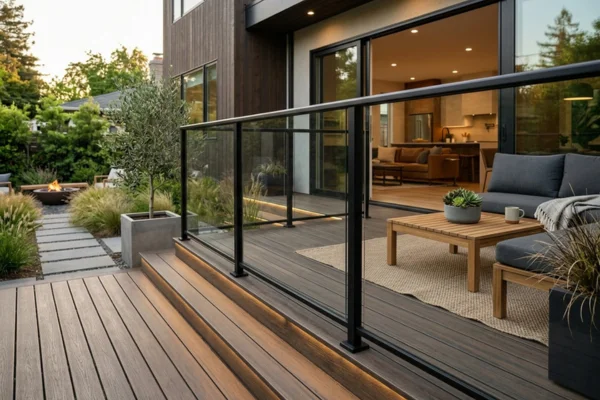
- Stylish railings or balusters to complement your deck style
- Decorative posts or newel caps for a classic touch
- Built in planters or seating along stair sides for charm and utility
- Outdoor lighting (solar or wired) for safety and ambiance at night
Staining or painting your stairs to coordinate with your deck finishes ties the look together beautifully.
Space-Saving and Multi-Level Solutions
If you have limited space or want a unique look, try:
- Alternating tread stairs — these save space while maintaining safety
- Multi-level stairs with landings that add visual interest and functionality
- Utilizing space under stairs for storage, seating, or planters
These deck designs and installations offer smart solutions to maximize the use of your outdoor space without compromising style or safety.
Safety, Maintenance, and Expert Tips
Safety is the most critical aspect of your deck stairs, followed closely by upkeep. Let’s explore some expert tips to help you keep your deck stairs in great shape.
Essential Safety Features
- Handrails: Must be sturdy and at the correct height for all users
- Non slip treads: Use textured finishes or add grip tape to prevent falls
- Adequate lighting: Ensure stairs are well lit for nighttime use, reducing accidents
Long Term Maintenance and Care
- Inspect regularly for loose or rotted boards, and replace as needed
- Tighten or replace rusted hardware
- Clean stairs to remove mold, algae, or debris that cause slippery surfaces
- Apply wood sealant or stain annually to protect against moisture and sun damage
Routine care keeps your stairs looking great and ensures lasting safety.
Final Thoughts on Decking and Stair Construction
The best way to build deck stairs involves proper measurements and quality materials. From how to make steps for a deck to building stairs for decks, well designed decks with stairs improve both usability and curb appeal.
Building a deck stair is a rewarding project that enhances the safety and style of your outdoor living space. By carefully planning how to build deck stairs, selecting high quality tools and materials, and following a step by step construction process, you can confidently create stairs that are both beautiful and durable. Remember to prioritize safety features like handrails and non slip surfaces, and maintain your stairs regularly to extend their lifespan.
Need to build deck stairs that are safe, sturdy, and stylish? Trust Cherry Hill Deck for expert craftsmanship and flawless stair construction!
Frequently Asked Questions
What are the best materials for outdoor deck stairs?
Choosing the right materials is crucial for deck stairs that last and look great. Pressure treated wood is a popular option due to its strength and resistance to insects and rot. However, composite materials have gained popularity for their durability and low maintenance, they don’t warp or splinter and resist fading. Aluminum is another option if you want a sleek, modern look with excellent rust resistance.
How long should deck stairs last with proper maintenance?
With regular care, well built deck stairs can last 15 to 30 years or more. Maintenance includes inspecting for loose boards, corrosion on fasteners, and general wear and tear. Treating wood stairs annually with a high quality sealant or stain protects them from moisture damage and UV rays. Cleaning your stairs to remove dirt, leaves, and mildew also helps prevent rot and decay.
Can I build deck stairs without a permit?
Whether you need a permit to build deck stairs depends on local regulations. Many municipalities require permits for stair construction to ensure the project meets safety standards and building codes. Skipping this step can result in fines, failed inspections, or the need to redo your work later. Before starting, check with your local building department for requirements specific to your area. Getting a permit protects you legally and ensures your deck stairs are safe for everyone who uses them.
What is the ideal rise and run for deck stairs?
The rise (height) and run (depth) of each step are crucial to the safety and comfort of stairs. The typical recommended rise is between 7 and 8 inches, while the run usually falls between 10 and 12 inches. This balance helps prevent fatigue and reduces the risk of tripping. Importantly, the dimensions of each step should be consistent throughout the entire staircase to promote stability and predictability.
How do I prevent wood from rotting in deck stairs?
Preventing wood rot begins with selecting pressure treated lumber that resists both moisture and insects. Applying a quality waterproof sealant or stain regularly creates a protective barrier against water damage and UV exposure. Proper drainage is essential, too. Consistent upkeep keeps your stairs strong and attractive over time.
Design Considerations and Local Building Codes
Before construction, thoroughly research your local building codes. These rules typically specify:
- Maximum step height and minimum tread depth
- Stair width requirements
- Handrail height and strength
- Load bearing capacity
Following these regulations is essential to ensure your stairs pass inspections and keep your family safe. Besides compliance, consider how the stairs will complement your deck’s overall design. A well integrated stair set can enhance your home’s exterior appeal.
Choosing the Right Stair Design
When choosing your stair design, consider your available space and aesthetic goals. Options include:
- Straight stairs — most straightforward and most common
- L-shaped or angled stairs — ideal for corner decks or added style
- Spiral stairs — space saving and visually striking, but more complex to build
Each design has its pros and cons, so choose one that balances functionality, safety, and the style you desire. Incorporate features like handrails and balusters for both compliance and support.
What’s the Best Foundation Method for Deck Stairs?
A sturdy foundation is critical when learning how to build deck stairs to prevent shifting, settling, or damage over time.
Concrete Footings vs. Gravel Pads
Concrete footings are the most stable option, especially for larger decks or high traffic stairs. They anchor your stairs firmly to the ground and resist frost heave and soil movement. Gravel pads, while easier to install and providing good drainage, may not offer the same long term stability. If you choose gravel, ensure it is compacted well and properly graded.

Positioning and Leveling Your Foundation
Mark the exact location of your stairs and use a level to check for evenness. Your footings should sit slightly above ground level to allow water drainage away from the wood. Improper positioning can lead to uneven steps, causing tripping hazards or structural failure. Take your time leveling and positioning before pouring concrete or laying gravel.
Common Foundation Mistakes to Avoid
Avoid these common errors:
- Shallow footings that can settle or shift over time
- Insufficient support beams or joists that can sag
- Uneven or poorly compacted base materials cause instability
By steering clear of these mistakes, you create a foundation that supports your deck safety for years.
Step by Step Construction Process: How to Make Steps for a Deck
Building deck stairs is manageable when broken down into clear steps:
- Measure and mark: Confirm your rise, run, and number of steps.
- Cut stringers: Use a framing square to mark stair cuts on your lumber, then cut with a circular saw and finish with a handsaw for clean edges.
- Attach stringers: Secure stringers to your deck frame at the top and your footings or base at the bottom.
- Install risers and treads: Attach risers (vertical boards) and treads (horizontal steps), ensuring each is level and evenly spaced.
- Add railings: Install deck handrails and balusters in accordance with the code for height and spacing, thereby enhancing safety.
Throughout construction, frequently check levels and spacing to maintain uniform steps and a polished look.
Creative Deck Stairs Ideas and Design Variations
Decorative Elements and Finishing Touches
Consider adding:
- Stylish railings or balusters to complement your deck style
- Decorative posts or newel caps for a classic touch
- Built in planters or seating along stair sides for charm and utility
- Outdoor lighting (solar or wired) for safety and ambiance at night
Staining or painting your stairs to coordinate with your deck finishes ties the look together beautifully.
Space-Saving and Multi-Level Solutions
If you have limited space or want a unique look, try:
- Alternating tread stairs — these save space while maintaining safety
- Multi-level stairs with landings that add visual interest and functionality
- Utilizing space under stairs for storage, seating, or planters
These deck designs and installations offer smart solutions to maximize the use of your outdoor space without compromising style or safety.
Safety, Maintenance, and Expert Tips
Safety is the most critical aspect of your deck stairs, followed closely by upkeep. Let’s explore some expert tips to help you keep your deck stairs in great shape.
Essential Safety Features
- Handrails: Must be sturdy and at the correct height for all users
- Non slip treads: Use textured finishes or add grip tape to prevent falls
- Adequate lighting: Ensure stairs are well lit for nighttime use, reducing accidents
Long Term Maintenance and Care
- Inspect regularly for loose or rotted boards, and replace as needed
- Tighten or replace rusted hardware
- Clean stairs to remove mold, algae, or debris that cause slippery surfaces
- Apply wood sealant or stain annually to protect against moisture and sun damage
Routine care keeps your stairs looking great and ensures lasting safety.
Final Thoughts on Decking and Stair Construction
The best way to build deck stairs involves proper measurements and quality materials. From how to make steps for a deck to building stairs for decks, well designed decks with stairs improve both usability and curb appeal.
Building a deck stair is a rewarding project that enhances the safety and style of your outdoor living space. By carefully planning how to build deck stairs, selecting high quality tools and materials, and following a step by step construction process, you can confidently create stairs that are both beautiful and durable. Remember to prioritize safety features like handrails and non slip surfaces, and maintain your stairs regularly to extend their lifespan.
Need to build deck stairs that are safe, sturdy, and stylish? Trust Cherry Hill Deck for expert craftsmanship and flawless stair construction!
Frequently Asked Questions
What are the best materials for outdoor deck stairs?
Choosing the right materials is crucial for deck stairs that last and look great. Pressure treated wood is a popular option due to its strength and resistance to insects and rot. However, composite materials have gained popularity for their durability and low maintenance, they don’t warp or splinter and resist fading. Aluminum is another option if you want a sleek, modern look with excellent rust resistance.
How long should deck stairs last with proper maintenance?
With regular care, well built deck stairs can last 15 to 30 years or more. Maintenance includes inspecting for loose boards, corrosion on fasteners, and general wear and tear. Treating wood stairs annually with a high quality sealant or stain protects them from moisture damage and UV rays. Cleaning your stairs to remove dirt, leaves, and mildew also helps prevent rot and decay.
Can I build deck stairs without a permit?
Whether you need a permit to build deck stairs depends on local regulations. Many municipalities require permits for stair construction to ensure the project meets safety standards and building codes. Skipping this step can result in fines, failed inspections, or the need to redo your work later. Before starting, check with your local building department for requirements specific to your area. Getting a permit protects you legally and ensures your deck stairs are safe for everyone who uses them.
What is the ideal rise and run for deck stairs?
The rise (height) and run (depth) of each step are crucial to the safety and comfort of stairs. The typical recommended rise is between 7 and 8 inches, while the run usually falls between 10 and 12 inches. This balance helps prevent fatigue and reduces the risk of tripping. Importantly, the dimensions of each step should be consistent throughout the entire staircase to promote stability and predictability.
How do I prevent wood from rotting in deck stairs?
Preventing wood rot begins with selecting pressure treated lumber that resists both moisture and insects. Applying a quality waterproof sealant or stain regularly creates a protective barrier against water damage and UV exposure. Proper drainage is essential, too. Consistent upkeep keeps your stairs strong and attractive over time.