Skip to content
A new deck can make your home more enjoyable and boost resale appeal. However, the financial return depends on the project’s many varied factors and situational considerations. Things such as cost, materials, design, and the local housing market can all impact the final ROI on a new deck or deck repair. For homeowners in Cherry Hill and across South Jersey, a well-planned deck can create valuable outdoor living space without the expense of a full room addition.
Does a deck add value to a home? According to Zonda’s 2025 Cost vs. Value Report, a wood deck addition recoups an estimated 94.9% of its cost at resale nationally. On the flip side, a composite deck recoups about 88.5%. These figures are national averages, not guarantees for individual properties. They do, however, show just how much value a quality deck installation can have for local homeowners.
Do decks increase home value? A deck can add value to your home, but the best investment balances resale appeal, construction quality, maintenance costs, and how much you will enjoy the space.
Here’s what New Jersey homeowners should know about deck ROI, installation costs, material choices, building requirements, and design features before starting a project.
What Does a Deck Add to Your Home Value in New Jersey?
The value a deck adds depends on several factors, including your home’s existing features, construction quality, and what buyers expect in your neighborhood.
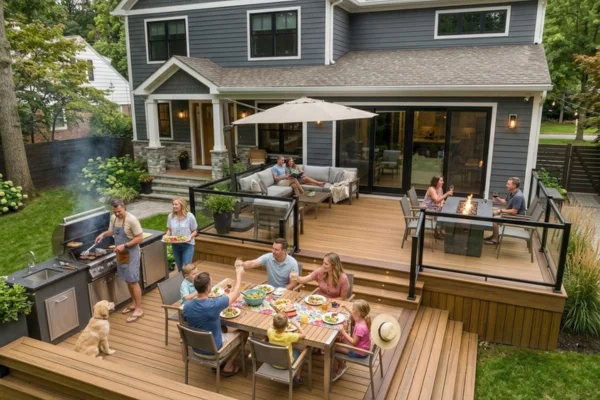
In South Jersey communities such as Cherry Hill, Haddonfield, and Moorestown, a deck can create a practical transition between indoor living areas and the backyard. It provides room for outdoor dining, entertaining, relaxing, and spending time with family.
Does a Deck Add Value to a Home? Understanding Deck ROI
The 2025 Cost vs. Value Report provides a useful benchmark for estimating how much of a remodeling project’s cost you may recover at resale. In other words, what the baseline ROI on a new deck might be in the area.
| Deck project | Average project cost | Estimated resale value added | Cost recouped |
| Wood deck addition | $18,263 | $17,323 | 94.9% |
| Composite deck addition | $25,096 | $22,199 | 88.5% |
Source: 2025 Cost vs. Value Report. Figures represent national averages for the report’s defined project scopes, not Cherry Hill-specific estimates.
For example, the report estimates that a standard wood deck costing $18,263 adds $17,323 in resale value. That represents approximately 94.9% of the original investment. A composite deck costs more in the report’s example, but adds a higher estimated resale value.
For your property, a local contractor can help estimate construction costs, while a knowledgeable real estate professional can explain how outdoor living features compare with other homes in your area.
How Much Does a Deck Addition Cost in Cherry Hill?
Deck addition cost varies with the size of the structure, material selection, height, foundation requirements, and design complexity. The condition of the house where the deck attaches can also affect the work involved.
For preliminary planning, South Jersey homeowners may use the following illustrative budget ranges, which should be confirmed through current local quotes.
| Deck size and material | Preliminary planning range |
| 12×24 pressure-treated wood deck | 12,000–20,000 |
| 12×24 composite deck | 18,000–30,000 |
| 20×20 wood or composite deck | 20,000–45,000 |
These are budgeting estimates, not independently verified market averages or guaranteed prices. They may not include every permit, engineering, electrical, or site-preparation expense. Ask contractors to identify what is included in each proposal.
What Affects Deck Installation Costs?
The cost of building a deck depends on more than its size. Materials, the layout of your yard, the height of the structure, and the features you choose all affect the final price. Understanding these factors can help you set a realistic budget and decide where to spend your money.
- Decking materials: Pressure-treated lumber generally costs less upfront than composite decking. Composite may require less routine maintenance, so compare long-term costs as well as installation prices.
- Deck height and accessibility: Elevated decks often need taller support posts, additional structural components, stairs, and railings. Difficult access to the building site can also increase labor costs.
- Ground conditions and footings: Soil conditions, drainage, and local frost-depth requirements affect how the deck’s foundation must be built. Poor drainage or challenging ground conditions may require additional preparation.
- Deck design and layout: A simple rectangular deck is generally less complicated to build than a multi-level design with angled sections, curved edges, or built-in seating. More complex layouts typically require additional materials and labor.
- Extra features: Pergolas, privacy screens, outdoor lighting, decorative railings, and built-in planters can make your deck more functional, but each addition increases the project budget.
- Permits and inspections: Account for applicable permit fees, required plans, and inspections when estimating the total cost. Requirements vary by project and municipality.
Before choosing a contractor, request an itemized estimate that separates materials, labor, site preparation, permits, and optional upgrades. Comparing quotes with the same scope of work makes it easier to spot differences and decide which features fit your budget.
Why Professional Installation Matters
A deck needs to do more than look good. It must safely support people, furniture, and everyday use while remaining securely attached to the house when the design calls for it. Poorly installed footings, loose railings, inadequate fasteners, or an improperly secured ledger board can create serious safety risks and lead to costly repairs. These are all factors many homeowners do not think about, but that have a direct impact on the question “Does a deck add value to a home?”
Working with an experienced deck contractor helps you address these details before construction begins. A qualified professional can evaluate the site, recommend suitable materials, plan the structure, and explain which permits and inspections may be required under New Jersey’s construction rules.
Yes, it is true that a professional installation will add to the initial project cost; their experience and insight can help protect your investment over time. A deck built to meet applicable requirements is more likely to provide years of safe use and give you greater confidence when it comes time to sell your home.

Which Decking Materials Offer the Best Return?
The material you choose for your deck affects how much you’ll spend upfront and how much work it will need over time. In South Jersey, decking also needs to hold up to summer heat, rain, humidity, and cold winter weather.
There are a few good options to consider, and each has its pros and cons. Each can also affect ROI on a new deck or repair project. The right choice depends on your budget, the look you want, and how much maintenance you’re comfortable doing.
Composite Decking: Less Maintenance
Composite decking is a popular choice for homeowners who want a nice-looking deck without spending as much time maintaining it. It’s made from a mix of wood fibers and plastic and is designed to resist problems like rot, moisture damage, and splintering.
Brands like Trex and TimberTech offer different colors and styles, so you can find something that works with your home. Many products also come with warranties, but the coverage depends on the specific product.
The main downside is the higher upfront cost compared with pressure-treated wood. Composite decking still needs regular cleaning, and some boards can get hot in direct sunlight during the summer.
However, you generally won’t need to sand, stain, or seal composite boards like you would with wood. If you’d rather spend your time enjoying your deck than maintaining it, the extra cost may be worth considering.

Pressure-Treated Wood: A Lower-Cost Option
Pressure-treated wood is a good option if you want a traditional wood deck without spending as much upfront. The lumber is treated to help protect it from insects and decay, making it a common choice for outdoor decks.
It does need regular maintenance to stay in good shape. Depending on the weather and how much sun your deck gets, you may need to clean it, apply a suitable stain or water-repellent finish, and replace damaged boards over time.
The biggest advantage is the lower initial cost compared with many composite options. If you’re working with a limited budget, pressure-treated wood can be a practical choice. Just remember to include future maintenance costs when comparing it with other materials.

Cedar and Other Natural Wood Options
If you prefer the look of real wood, cedar is another option to consider. It has a natural color and grain that work well with many home styles. Cedar also has some natural resistance to insects and decay, although it still needs regular care.
Cedar usually costs more than basic pressure-treated lumber. Over time, exposure to sun and rain can also change its color. If you want to keep its original appearance, you’ll need to clean it and apply a suitable finish as needed.
Other wood types are available, too, with different prices, appearances, and maintenance needs. Before choosing, compare installation costs and the level of care each option requires.

Which Material Offers the Best Return?
There isn’t one decking material that’s right for every homeowner. Pressure-treated wood costs less upfront, composite requires less routine maintenance, and cedar offers a natural wood appearance.
When comparing options, consider both the initial price and what you’ll spend on maintenance and repairs over the years. It’s also worth considering how long you plan to stay in your home and how you want to use the deck.
A well-built deck can be a worthwhile addition, no matter what material you choose. Focus on an option that fits your budget, matches your home, and won’t require more maintenance than you’re willing to take on.
Structural Safety and Building Codes in Camden County
Does a deck add value to a home? Part of the answer depends on how well the deck meets safety standards and local building codes. A deck’s long-term value depends on safe construction and compliance with applicable building requirements.
New Jersey regulates residential construction through its Uniform Construction Code. The state adopts residential construction standards and updates them over time, so homeowners should confirm which requirements apply when they design and permit their project.
The New Jersey Department of Community Affairs provides information about current construction codes and adopted standards.
Footings, Ledger Boards, and Structural Connections
Footings transfer the deck’s load into the ground. Their required depth and dimensions depend on the applicable code, deck design, soil conditions, and other project-specific factors.
New Jersey Department of Community Affairs guidance identifies a 30-inch frost-depth zone for Southern New Jersey, including Camden County. This is a useful reference, but it does not mean every deck footing has the same requirements. The current code, use, material, design, and location are what will ultimately determine the applicable requirements. Your local decking contractor team will be able to help you understand what is and is not required for your individual decking project.
Do You Need a Permit for a New Deck?
New deck construction and structural modifications almost always do require permits, although requirements and exemptions depend on the scope of work and the local enforcing agency.
Before construction, contact the appropriate municipal building department to confirm the permits, plans, inspections, and approvals your project requires. Homeowners should not assume that a project of replacing boards and a project of building an entirely new structure fall under the same rules.
The best decking crews will explain the applicable permits, regulations, and walk you through the process so you understand what your rights and responsibilities are. They will make it easier to understand what you need to do before, during, and after the project.
Keep copies of approved plans, permits, and inspection records. They provide useful documentation for future maintenance and may help answer questions during a home sale.
Design Choices That Improve Your Deck’s Appeal
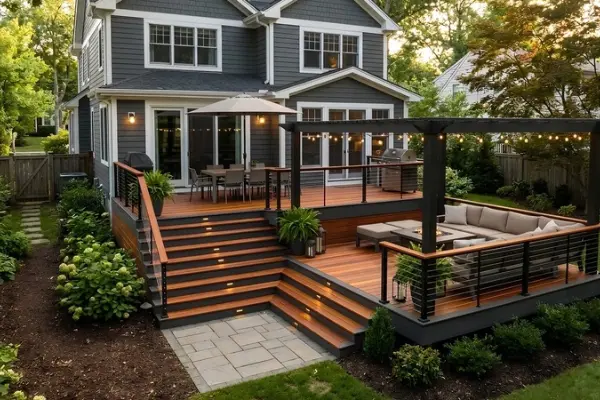
A functional layout can make a deck more attractive to prospective buyers and more enjoyable for your family. Aim for a design that complements your home’s architecture and works with the available yard space.
Features Worth Considering
- Built-in seating: Creates a defined gathering area and can reduce the need for separate outdoor furniture.
- Outdoor lighting: Improves visibility after dark and makes the space more practical for evening use.
- Pergolas and shade structures: Provide partial shade and help define dining or lounge areas.
- Privacy screens: Make closely spaced suburban yards feel more comfortable.
- Multi-level layouts: Separate dining, entertaining, and relaxation areas where the yard or grade supports the design.
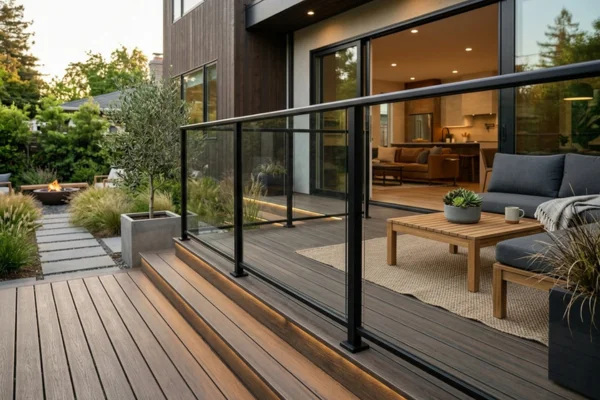
- Coordinated railings and finishes: Help the deck feel like a natural extension of the home.
Prioritize features that solve a practical problem or improve how the space functions. Adding expensive extras simply to increase resale value may not deliver the return you expect.
Are Covered Decks and Screened Porches Worth It?
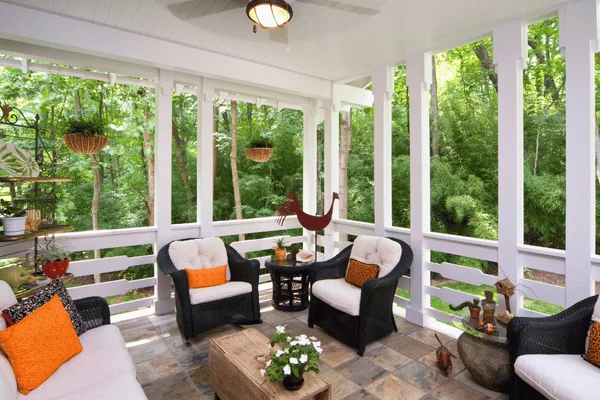
A covered deck or screened porch can extend the usefulness of an outdoor living area by offering shade or protection from insects and light weather. These upgrades may be appealing to homeowners who regularly entertain outdoors.
However, covers, roof structures, screens, and electrical features can add substantial cost and may introduce additional design or permitting requirements. Evaluate them as separate investments rather than assuming they will automatically increase resale value.

How to Get the Most Value From Your Deck Project
If you’re investing in a new deck, you want to make sure you’re spending your money wisely. That doesn’t mean you need the biggest deck or the most expensive materials. A well-built deck that fits your home, meets your needs, and stays within your budget can be a great addition to your property.
Here are a few things to consider before getting started:
- Set a budget. Include materials, labor, permits, and site preparation in your plans. It’s also a good idea to leave some room for unexpected costs.
- Think about long-term costs. Some decking materials cost less upfront but need more regular maintenance. Compare the cost of installation with what you’ll spend on cleaning, staining, repairs, and upkeep over the years.
- Choose a design that works for your home. Think about how much space you need and how you’ll use the deck. Whether you want room for outdoor dining, family gatherings, or simply relaxing outside, the layout should suit your home and yard.
- Don’t cut corners on construction. Strong footings, secure connections, sturdy stairs, and properly installed railings are essential. It’s better to get these things right from the start than pay for repairs later.
- Check permit requirements before building. Contact your local building department to find out which permits and inspections you need. Taking care of this early can help avoid delays and extra costs.
- Keep your plans in mind. If you’re thinking about selling your home soon, choose a practical design that will appeal to a range of buyers. If you’re staying for the long term, focus on the features you’ll enjoy using most.
Does a deck add value to a home? Remember, a new deck is just one part of your home’s overall value. Your location, your property’s condition, and what buyers want in your area all affect what your home may sell for.
While there’s no guarantee of a specific return, choosing the right materials, planning your budget, and building the deck properly can help you get more out of your investment.
Plan Your New Deck in Cherry Hill, NJ
So, does a deck add value to your home? It can. A thoughtfully designed deck creates additional usable outdoor space, improves how your property functions, and may help your home appeal to buyers when you decide to sell.
The key is to approach the project with realistic cost expectations. Compare wood and composite materials, choose features that fit your lifestyle, and work with a qualified professional who understands local construction requirements.
Cherry Hill Deck Builders helps South Jersey homeowners plan outdoor living spaces tailored to their homes, budgets, and needs. Whether you are considering a straightforward platform deck or a larger multi-level design, a professional consultation can help you explore the options.
Ready to discuss your project? Contact Cherry Hill Deck Builders to schedule a design consultation and get an estimate for your property. We serve Cherry Hill, Haddonfield, Moorestown, Voorhees, and surrounding Camden County communities.
Frequently Asked Questions
How much value does a deck add to a home in New Jersey?
The amount varies by property, project cost, and local market conditions. The 2025 Cost vs. Value Report estimates that a standard wood deck addition recoups 94.9% of its cost nationally at resale, compared with 88.5% for composite. These are national benchmarks, not guaranteed returns for New Jersey homes.
How much does a 20×20 deck cost in South Jersey?
A 20×20 deck covers 400 square feet. For preliminary planning, a budget of 20,000–45,000 may be a useful starting point, depending on materials, elevation, and design. Obtain current local quotes to confirm the total, including permits and additional features.
How much should a 12×24 deck cost in New Jersey?
A 12×24 deck provides 288 square feet of outdoor space. An illustrative price range is 12,000–$ 20,000 for pressure-treated wood or 18,000–$ 30,000 for composite. Actual prices vary, so ask contractors for itemized estimates based on your property and design.
Is composite or wood decking better for resale?
Both can be attractive to buyers. The 2025 national report estimates a higher percentage of cost recouped for its standard wood deck project than for its composite project. Composite may appeal to homeowners who prefer less routine maintenance, so the right choice depends on upfront cost, upkeep, design, and local buyer expectations.
Do I need a permit to build a deck in Cherry Hill?
New deck construction and structural work commonly require permits, but the exact requirements depend on the project and applicable municipal rules. Contact Cherry Hill’s building department before construction to confirm required permits, plans, and inspections.
What is the best decking material for New Jersey’s climate?
Composite decking can be a good choice for homeowners who want less routine maintenance, while pressure-treated wood offers a lower-cost alternative. Product quality, installation, drainage, exposure, and maintenance all affect performance. Compare the specifications and warranties of the materials you are considering before deciding.