Skip to content
 Building a deck opens up many possibilities, but one of the first design questions homeowners face is whether to include railings. For some, the idea of a no railing deck is appealing. It offers an open, modern look and can create a seamless connection between your indoor and outdoor spaces.
But before committing to a railing-free design, it is essential to consider more than aesthetics. Safety, building codes, elevation, and lifestyle needs all play a role in determining whether this option makes sense for your home. As professional deck builders, we’ve worked on projects that look stunning without railings, but we have also seen situations where skipping them wasn’t the best move.
You are not alone if you find yourself torn between going for that clean, open concept or adding railings for peace of mind. Many homeowners struggle to strike the right balance between form and function. In this article, we will walk you through the pros and cons of a deck with no railings so you can decide what’s right for your space, budget, and lifestyle. Whether you are designing a new deck or considering changes to an existing one, this guide will help you make an informed, confident decision.
What Is a Deck Without Railings? Understanding the Basics
A deck with no railings is a platform-style outdoor structure that’s typically low to the ground and does not include perimeter guardrails. It is most often used for ground-level or low-rise installations.

Why Homeowners Choose Decks Without Railings
Many homeowners are drawn to the clean, open design of a deck without railing. It creates an uninterrupted view, offers easier access to the yard, and blends more naturally with outdoor landscapes. A deck without railing can also reduce construction costs and works well for minimalistic or modern home styles.
Where Are Low Decks Without Railings Most Common?
Low decks with no railings are common in flat, open yards where the deck railings height stays under local code thresholds, typically 30 inches or less above grade. These types of decks are often seen in ranch-style homes, modern outdoor spaces, and backyards focused on casual, walk-out access with fewer structural restrictions.
Pros of Having a Deck Without Railings
Choosing a deck design and installation with no railings has several practical and visual advantages, especially for low-to-ground builds. From aesthetics to accessibility, this design offers flexibility that appeals to many homeowners.
Enhanced Aesthetic Appeal and Open Space
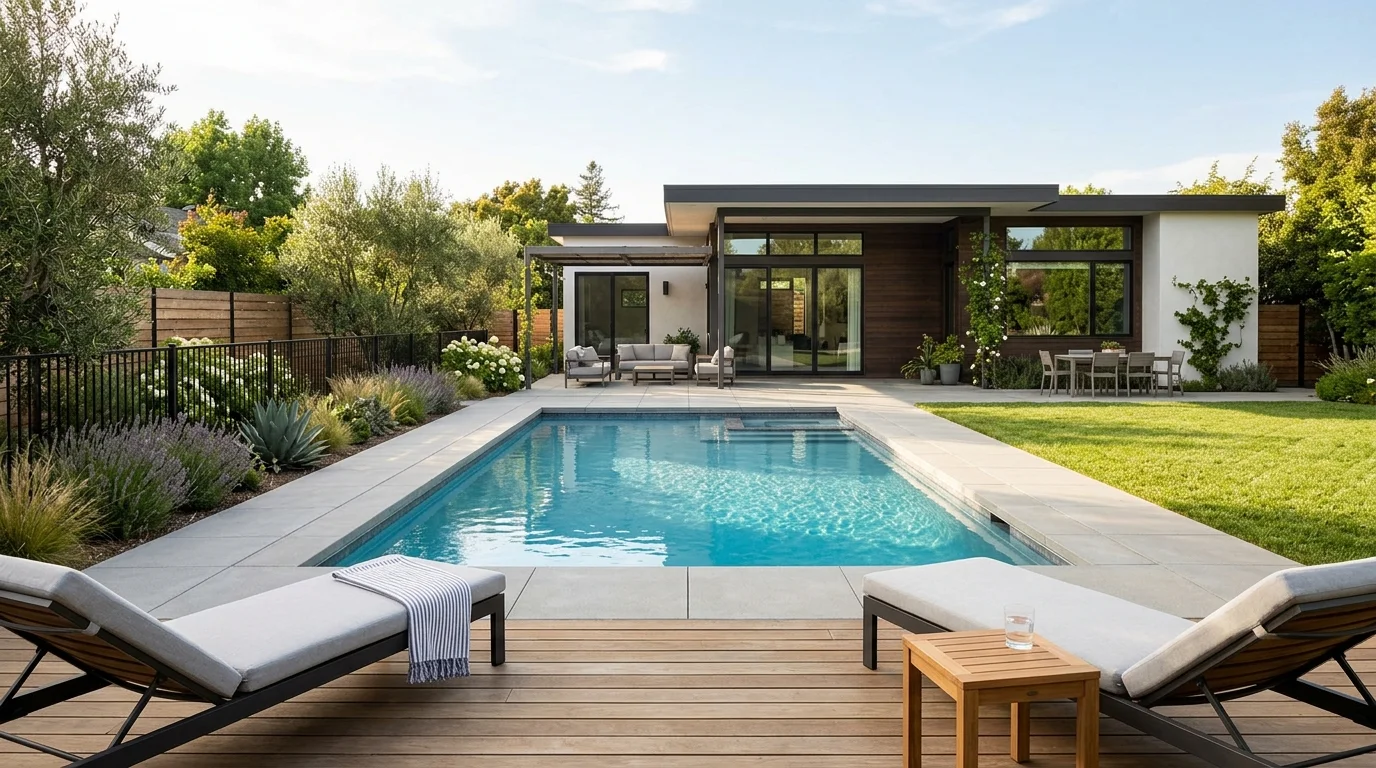
One of the most significant benefits of a deck with no railing is the seamless, open appearance it creates. Without vertical barriers, the deck feels larger and integrates more naturally with the yard. This design works particularly well in modern or minimalist outdoor spaces.
A no-railing deck also allows for unobstructed views, ideal for scenic properties or homes with landscaped gardens. Visually, it reduces clutter and delivers a clean, uninterrupted horizontal line that complements both traditional and contemporary architecture.
Easier Accessibility and Flow
Low decks without railings make entering and exiting the space much more straightforward. There are no handrails or barriers to navigate, which is ideal for households with small children, pets, or individuals with limited mobility. The smooth flow between the deck and yard makes entertaining, outdoor dining, and everyday use more convenient.
Whether you’re hosting guests or moving between spaces, a deck that has no railings allows for better traffic flow and reduces the feeling of separation between indoor and outdoor areas. This makes it an excellent fit for open-concept living designs.
Lower Construction and Maintenance Costs
Building a deck without railing can significantly lower your overall construction cost. Railings often add to labor, material, and installation expenses, especially when custom styles or materials like metal or glass are involved. A no-railing deck eliminates those costs upfront and simplifies the build.
Maintenance is also easier, as there are fewer components to clean, paint, or repair over time. For homeowners working within a tight budget or looking for a streamlined, low-maintenance solution, low decks without railings offer a practical, cost-effective alternative to more complex designs.
Cons and Safety Considerations of a Deck With No Railing
While there are benefits to having a deck with no railing, there are also serious drawbacks that homeowners need to evaluate. Safety, compliance, and exposure to environmental factors should all be considered before finalizing your design.

Safety Risks and Potential Hazards
A deck without railings poses significant safety risks if it’s elevated or used by children, older adults, or pets. Without a barrier, the chances of accidental slips and falls increase significantly, particularly near edges. Even on low decks without railings, uneven ground or wet conditions can make it easier to lose footing.
If your deck is regularly used for gatherings or family activities, the lack of railing might become a real concern. It is crucial to assess how the space will be used and who will be using it to determine if the setup is truly safe.
Building Codes and Local Regulations
In many areas, local building codes require railings for decks over a certain height, commonly 30 inches above ground. Installing a deck without railing when it’s not code-compliant can result in fines or complications when selling your home. Even low decks without railings need to meet structural safety requirements.
Before building, you must check your municipality’s codes or consult a licensed contractor. Ignoring these guidelines can lead to delays, extra costs, or rebuilding part of your deck. Always verify regulations before committing to a railing-free design.
Weather and Environmental Factors
Exposure to weather is another consideration when choosing a deck with no railings. Rain, snow, and ice can create slippery surfaces, especially without railings for support or balance. Wind is also a factor, strong gusts can be dangerous on raised decks without a barrier. Wet leaves or moss can create slick conditions, especially in shaded or heavily vegetated areas.
A no railing deck may be practical in mild climates but becomes riskier in regions with more extreme weather. Evaluate how your deck will be used throughout the year and in different weather conditions before going railing-free.
How to Make a No-Railing Deck Safe and Functional
If you’ve decided to build a deck without railings, there are ways to improve safety without sacrificing the open design. Smart planning and thoughtful materials can help reduce risks and enhance functionality.
Alternative Safety Features
Even without railings, you can still build safety into your deck. Features like built-in benches, planter boxes, or raised edges can help define boundaries and prevent accidental falls. Proper lighting, especially step and perimeter lighting, also makes a difference during evening use.
Using non-slip surfaces or textured decking boards can reduce the risk of slipping in wet conditions. These subtle features help create a safer space without disrupting the open look of a deck with no railing, especially in family-friendly outdoor living areas.
Best Materials for a Secure No-Railing Deck
Material selection matters when safety is a priority. Choose decking boards that offer slip resistance, especially in wet or shaded environments. Composite decking is a strong option since it’s low-maintenance and often includes anti-slip features.
Pressure-treated wood is affordable but requires upkeep to stay safe. Avoid glossy or smooth finishes that become slick with moisture. For no-railing deck designs, durable, high-traction materials provide better grip and reduce the risk of accidents, especially on high-traffic or weather-exposed surfaces.
Smart Design Tips for Safe Decks Without Railings
Keep your deck without railings low to the ground, ideally under 30 inches, to reduce fall risk and meet code requirements in most areas. Consider using wide steps or a wraparound edge that transitions smoothly into your yard.
Zone your space using visual cues like outdoor rugs or built-in seating to guide traffic and keep guests from walking near open edges. Precise layout planning and traffic flow design help create safer movement patterns. With the proper layout and safety-conscious planning, low decks without railings can be stylish and practical.
Should You Choose a Deck Without Railings? Key Takeaways
Not every deck needs railings, but skipping them is not the right fit for every home either. It all comes down to your property, lifestyle, and local code requirements. Let’s break it down.
Who Benefits Most from a No Railing Deck?
Homeowners with flat yards and decks under 30 inches high benefit most from a deck with no railings. It’s ideal for those seeking an open, modern layout with easy access to outdoor spaces. Families with small children or elderly members should use extra caution, but for minimalistic designs or casual entertaining areas, low decks without railings can be a smart, safe solution when properly designed with alternative safety features.
When a Deck With Railings Is the Better Choice
If your deck is elevated, on a slope, or part of a high-traffic area, adding railings is safer and more responsible. A deck with no railing may not meet building codes and can pose a liability risk, especially with kids, pets, or guests. Railings are essential for added protection, support during lousy weather, and long-term use. For homeowners prioritizing safety, resale value, and code compliance, a deck with railings is the more secure and practical investment.
Final Thoughts and Decision-Making Tips
Choosing whether to build a deck that has no railings depends on how you plan to use the space, who will use it, and your local building codes. While the railing-free look offers a sleek, modern design and easier yard access, it’s not always the right fit, especially for elevated decks or homes with children and elderly residents. Take the time to evaluate your property, safety needs, and long-term goals. If you are still unsure, talk to a professional who understands both the design and code requirements in your area.
Need help designing the perfect deck for your home? Contact Cherry Hill Deck today for expert advice and a free quote. Let’s build something that is beautiful, safe, and built to last. Call and speak to our team today to get the process started!
FAQs
1. Is it legal to build a deck without railings?
Yes, as long as the deck is under your local code’s height requirement, usually 30 inches or less. Always check with your local building department before starting construction.
2. Are low decks without railings safe for kids and pets?
They can be safe if designed adequately with wide steps, soft ground transitions, and visual boundaries. Still, supervision is important, especially around open edges and corners.
3. Will skipping railings save me money on my deck build?
Yes, removing railings lowers both material and labor costs. However, you’ll need to invest in smart design features to maintain functionality and safety.
4. Can I add railings to a no-railing deck later on?
Absolutely. If the structure is built to code, railings can be added later if your needs change or if safety becomes a concern.
5. Do decks without railings affect resale value?
They can, depending on the buyer. Some may love the open look, while others may see it as a safety issue. Railings often appeal more to families or older buyers.